

Luxury Packaging Design Trends for 2025: Top Insights
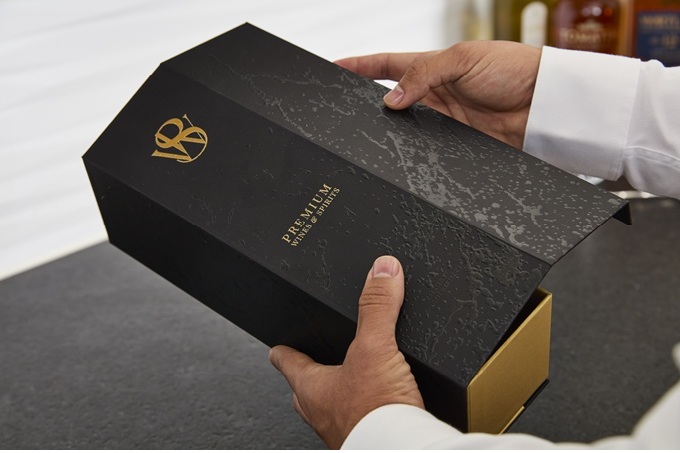
Our designers work with luxury brands all over the world to create beautiful, eye-catching premium luxury packaging. And of course, we love when some of those packages win awards, including ones for sustainability.
Taking advantage of their knowledge and expertise, we asked them what design trends are dominating luxury packaging for things such as spirits and beverages, cosmetics and beauty products, electronics and home goods. No matter what trend they mentioned, each of them fit into one major theme: enhancing the customer experience.
While customer experience has been gaining momentum for years, massive inflation and tough economic times have thrust it further into the spotlight. Consumers are now pulling back when it comes to spending money on “things” in order to focus more on “experiences.” According to Paysafe research, 42 percent of consumers are prioritizing spending on experiences rather than possessions.
You’ll see this common thread throughout these latest luxury packaging design trends. Here are our top five trends for 2025.
1. Getting tactile with decorative printing and texture for luxury packaging boxes
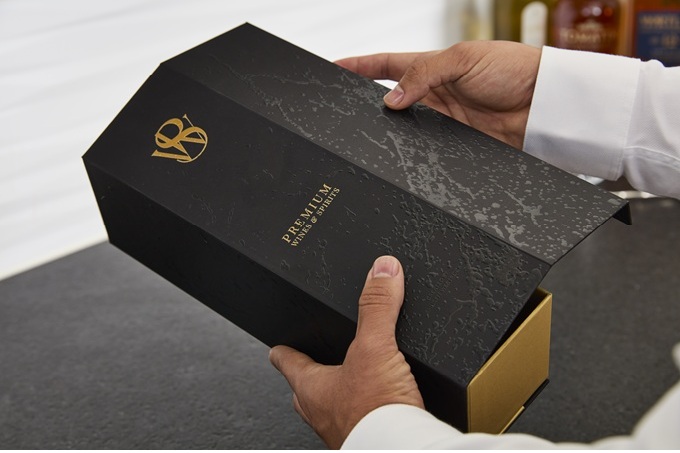
Our experts agreed that many brands are coming to us asking for their premium product packaging to have a certain “feel.” Since people attribute premium materials like metallics, wood grain, leather, suede, velvet or silk with luxury and quality, brands often try to use those materials or mimic them in their high-end packaging.
Textured items also encourage consumers to touch and feel the product and packaging, which is another reason to incorporate texture since studies show physically holding a product can translate to higher sales. Thanks to decorative printing techniques, we’re easily able to mimic luxury textures.
"They were looking for a leather, high-end type of wrap, which would have cost a fortune,” said Design Project Manager Tara Johns, referring to one of our customers, a premium liquor brand. “Instead of doing that, we printed on paper and put an embossed pattern through it in a soft touch coating, and it looks and feels like leather.”
Besides decorative printing, premium brands are choosing to add subtle touches of texture to their packaging, such as using pieces of ribbon or natural twine.
2. Creating layers for depth and dimension in custom luxury packaging
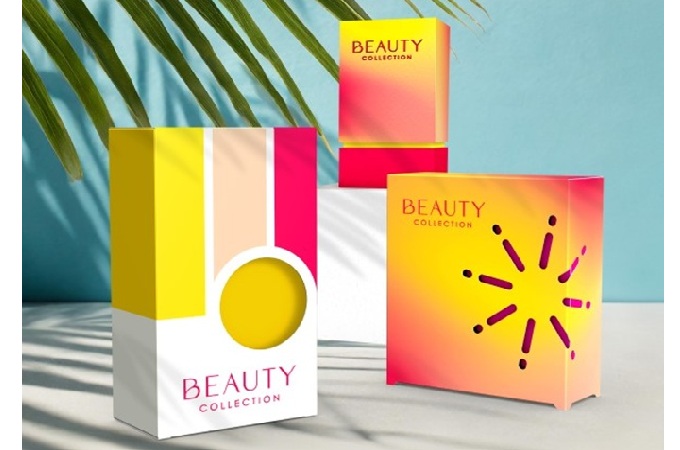
In order to create packaging that’s more interesting, eye-catching and interactive, premium brands are asking for design techniques that incorporate layering. This creates depth and dimension in the outer packaging, as well as more of an experience “in” the packaging.
Using die-cut shapes reveals another layer of packaging in a contrasting color to create a shadow-box type of effect. Leaving those shapes attached on one side creates a pop-up effect that provides movement or allows the packaging to function as something other than a package, such as a jewelry box or calendar.
While die-cut shapes provide depth and dimension outside, layers are also being used inside the outer shell. Brands are adding layers that have to be removed to get to the product, providing more depth to the unboxing experience.
“They're trying to make it more interactive for consumers,” said Packaging Design Director Dan Davis. “There are different layers within the package when you open it up, and you just keep going down into it, like a Russian nesting doll of products and packaging.”
Speaking of interaction and experiences...
3. Giving people a unique experience with luxury packaging design
We knew we’d mention this throughout, but it still needs its own section. Because while experience is what all our trends are tying back to, we still need to outline the two methods most brands are using to create great experiences right now: storytelling and eventful unboxing.
Storytelling. Consumers, especially Millennials and Gen Z, CRAVE authenticity! They want to feel like they know brands so they can trust them, and they want brands to share more about what they do, what their mission is, and what their values are. The numbers support this: According to Forbes research, 75 percent of consumers are more likely to buy from a brand with a strong narrative.
Packaging can help tell the brand story by leaving space for copy on the outer sides, on the insides or on packaging inserts and personalized cards. QR codes on packaging can lead consumers to connect to more info on the brand and to social media accounts where they can connect.
Premium alcohol-free spirits brand Seedlip is not only transparent about its story and its operations, but it also created a brand narrative specifically about its packaging. Packaged meal service Mindful Chef also told its packaging story by making a video about the circularity of its boxes, which helped tell a much greater story about the company’s sustainable operations.
Unboxing. Thanks to Apple taking its packaging and unboxing experience more seriously, unboxing as an event has gained in popularity over the last decade. Youtube videos with the word “unboxing” in the title were watched more than 25 billion times in 2023.
87 percent of people now use social media to help make their shopping decisions, and 82 percent have been convinced to purchase by watching a video. So, creating an unboxing experience that’s video-worthy and shareable can, no doubt, increase interest and sales.
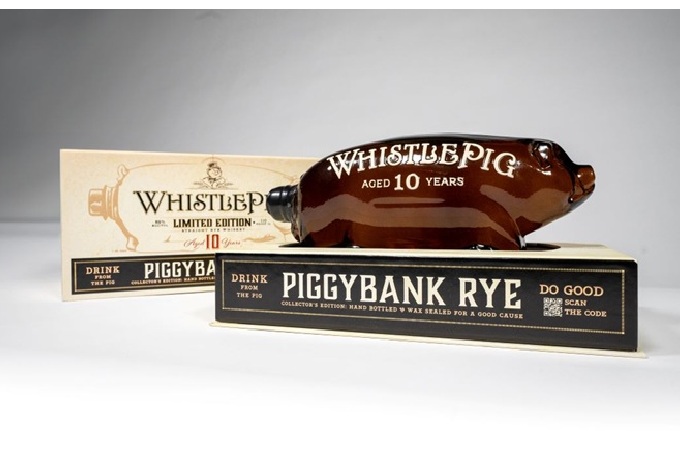
So far, we’ve mentioned making the unboxing experience more engaging through texture and layering, as well as pulling people into the brand story and including personalized inserts or cards in packaging. Additionally, brands are making sure to use ALL the packaging space and surfaces. Inside surfaces and parts can be used to tell more of the brand story, but also to provide tips, instruction or cheeky branded text.
No matter what techniques you use to create a wow-worthy unboxing experience, remember that originality and uniqueness are the name of the game here. Aim to surprise and delight your consumer.
4. Experiencing the holidays with Advent calendars
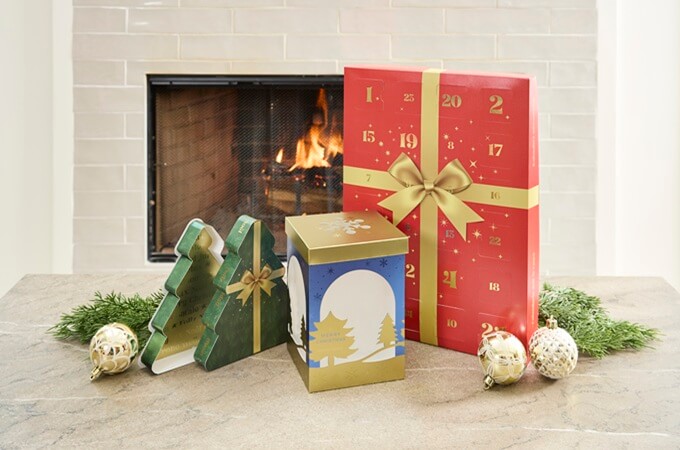
Because today’s consumer prefers experiences to things, our experts agreed that Advent calendars are having their moment. On TikTok, there are now over one million videos posted with the hashtag “#Adventcalendar.”
With most brands opting for 12 or 24 days of small gifts, it’s a great way to provide someone a holiday experience as well as a memorable brand experience, putting the anticipation of opening your product on a consumer’s mind every day over time. While the idea started with chocolates, even luxury brands are getting in on the tradition, providing daily samples of:
- Makeup and skincare
- Spirits, beer or wine
- Sauces, jams or spreads
- Premium pet products
- Coffee or teas
UK-based Online Tasting Company created an Advent calendar of wine samples for 2024, and even Gucci entered the trend with 24 days of ornaments. U.S.-based, sustainable beauty and cosmetics brand Lush launched two different reusable Advent calendars in 2024. The brand is offering calendar refills online so people can get more use out of its packaging, a concept that further emphasizes its commitment to recyclable and reusable packaging on all its products, which brings us to ...
5. Embracing greater sustainability in luxury packaging design
Last but not least, desiring sustainable packaging in terms of materials and graphics is another trend our experts are experiencing in all aspects of their work with premium brands. Because choosing sustainability may equate to higher price tags, sustainability is a quality often associated with premium brands, and 75 percent of consumers are more likely to choose brands that offer sustainable products.“By using decorative printing to achieve various textures, we’re eliminating PVC from the manufacturing process.,” said Sr. Director of Packaging Design Robert Kelly. “We’re designing boxes with less metal and magnets for closures and more tucking. Brands are asking to get rid of foam or injection molding made from plastics, so we’re designing corrugate packaging inserts to protect delicate products.”
To get more value out of protective packaging made from corrugated board, our designers brand those pieces using color, text and graphics so they become a part of the design and the unboxing experience. Additionally, today’s decorative printing techniques use water-based inks and methods, allowing them to design packaging that can be curbside recyclable, even with metallic or textured prints.
The best way to take advantage of design trends with packaging
While these suggestions can help you use your packaging to capitalize on trends, the greatest way to make sure your packaging does your product justice is to work with designers who understand your brand, your industry and your consumers. Your designers should understand the trends, but they should also be able to offer valuable market and consumer insights backed by research. Those insights will help you make key decisions about your packaging.Contact our team of designers to see how they can create a unique, elegant and sustainable packaging design your consumers will remember.


Our Latest Blogs